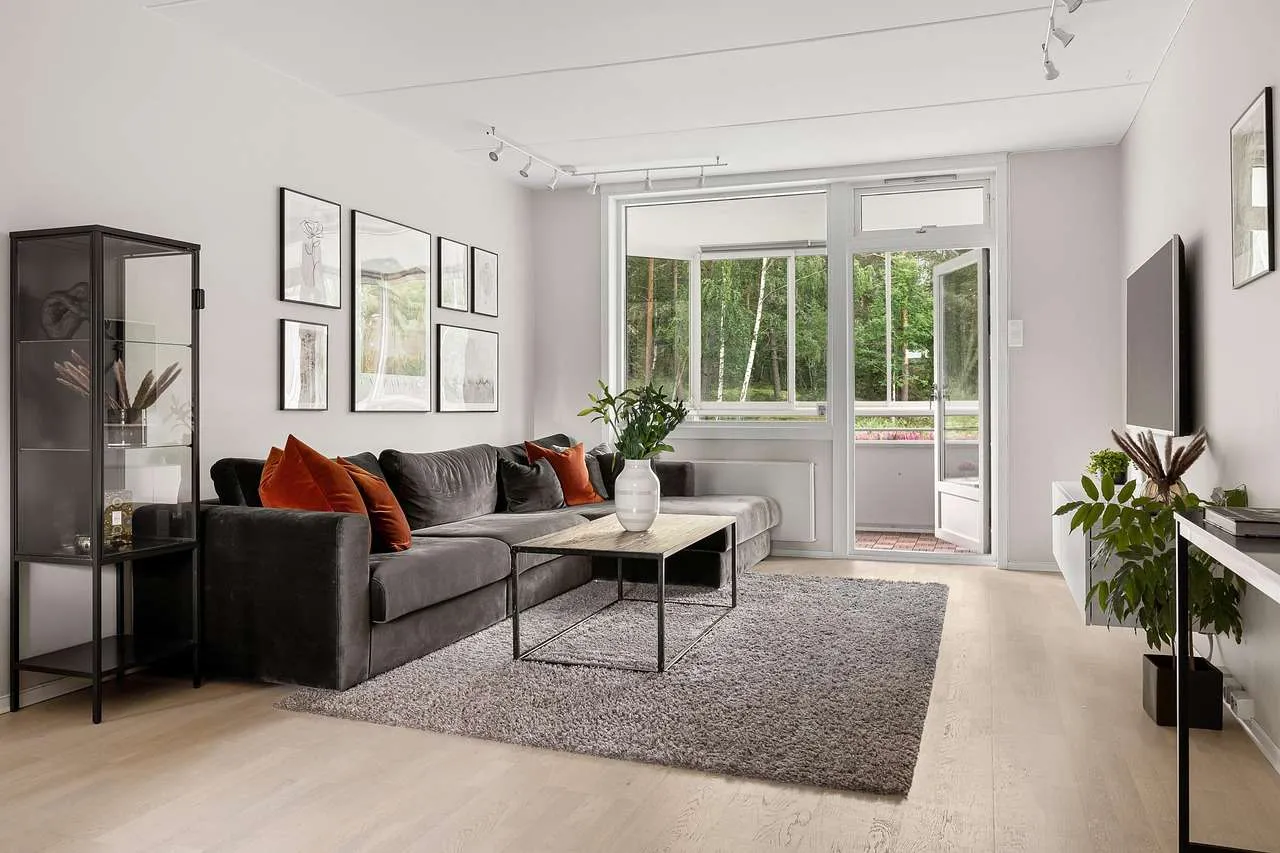
Sunny rooms with unmitigated sun can feel uncomfortable and waste energy. Home window tinting adds a protective layer that blocks heat and UV while preserving view and daylight. This guide covers what home window tinting is, film options, installation paths, costs, and how to pick a trustworthy installer so you can make an informed decision.
What is Home Window Tinting?
Home window tinting involves applying a thin film to interior or exterior glass to filter sunlight. The film can reflect, absorb, or convert solar energy, reducing heat gain and glare while protecting furnishings from UV damage. Modern films are designed to be durable, non reflective from indoors, and compatible with standard window frames.
Benefits of Home Window Tinting
- Heat reduction that lowers cooling costs in hot climates and during peak sun hours
- UV blocking to protect furniture, flooring, and artwork from fading
- Glare reduction for comfortable screen viewing and reading
- Increased privacy during the day without a heavy look
- Shatter resistance and safety when paired with certain film types
Most modern films block 99% or more of UV rays and can reduce heat gain by a sizable margin, depending on the film thickness and composition. These improvements can contribute to a more comfortable home environment and longer-lasting interiors.
Choosing the Right Film Type
Dyed Window Film
Overview on a budget option that reduces glare and provides basic privacy. It absorbs solar energy but may fade over time and offers moderate heat rejection. Ideal for rooms with modest sunlight exposure or where initial cost is a priority.
Metalized Window Film
This film reflects a portion of the sun to reduce heat and glare, delivering strong heat rejection. It can interfere with electronics and may create a slightly mirrored appearance and potential fade issues in some installations.
Carbon Window Film
Carbon films deliver strong heat rejection with a non reflective finish. They resist fading and maintain a natural look, offering good value for mid to high performance needs.
Ceramic Window Film
The top tier option with excellent UV and IR rejection, non reflective appearance, and high durability. Ceramic films often carry longer warranties and are favored for their long term energy savings and visual clarity.
Key Factors to Consider
- Visible Light Transmission VLT and how dark you want a film to appear
- UV rejection to protect interiors
- Infrared IR rejection for true heat control
- Durability and warranty length
- Compatibility with local regulations and safety standards
- Window type and frame compatibility
DIY vs Professional Installation
DIY kits can be affordable but require skill to avoid bubbles, dust, or edge peeling. Professional installation ensures precise cutting, proper edge sealing, and a valid warranty. Installers with brand certifications and proper insurance provide greater assurance of quality and post install support.
Cost and Warranties
Costs vary by film type, window size, and labor. Basic dyed films are lower in price; carbon and ceramic options cost more but offer superior performance and longer warranties. Typical ranges per square foot span from a few dollars for entry level films to around 8 to 20 dollars for premium ceramic films. Warranties commonly cover peeling, bubbling, and fading for 10 to 15 years, with some premium brands offering longer terms.
Maintenance and Longevity
Maintain window tint by using manufacturer approved cleaners and soft cloths to avoid scratching the film. Avoid abrasive tools and ammonia-based products that can degrade adhesive layers. With proper care and professional installation, most films last 15 to 20 years or more with consistent performance.
Choosing a Trusted Installer
- Choose brand certified installers from recognized brands such as 3M, LLumar, or SunTek
- Review a portfolio of completed projects and client testimonials
- Ask about warranties, service terms, and installation timelines
- Verify insurance coverage and proper licensure in your area
Comparison of Popular Tint Types
| Tint Type | UV Rejection | IR Rejection | VLT | Durability | Cost | Best For |
|---|---|---|---|---|---|---|
| Dyed | Good | Medium | Medium | Moderate | Low | Budget rooms |
| Metalized | Very Good | Excellent | Moderate | High | Medium | Heat control |
| Carbon | Excellent | Good | Low reflectivity | High | Medium-High | Balanced performance |
| Ceramic | Excellent | Excellent | Low reflectivity | Very High | High | Top overall option |
Conclusion
Conclusion, home window tinting balances comfort, energy savings, and aesthetics. By understanding film types, evaluating heat and UV rejection, and choosing a qualified installer, you can achieve lasting comfort with minimal risk. Plan your budget, verify warranties, and select a film and installer that align with your home s needs and local regulations.